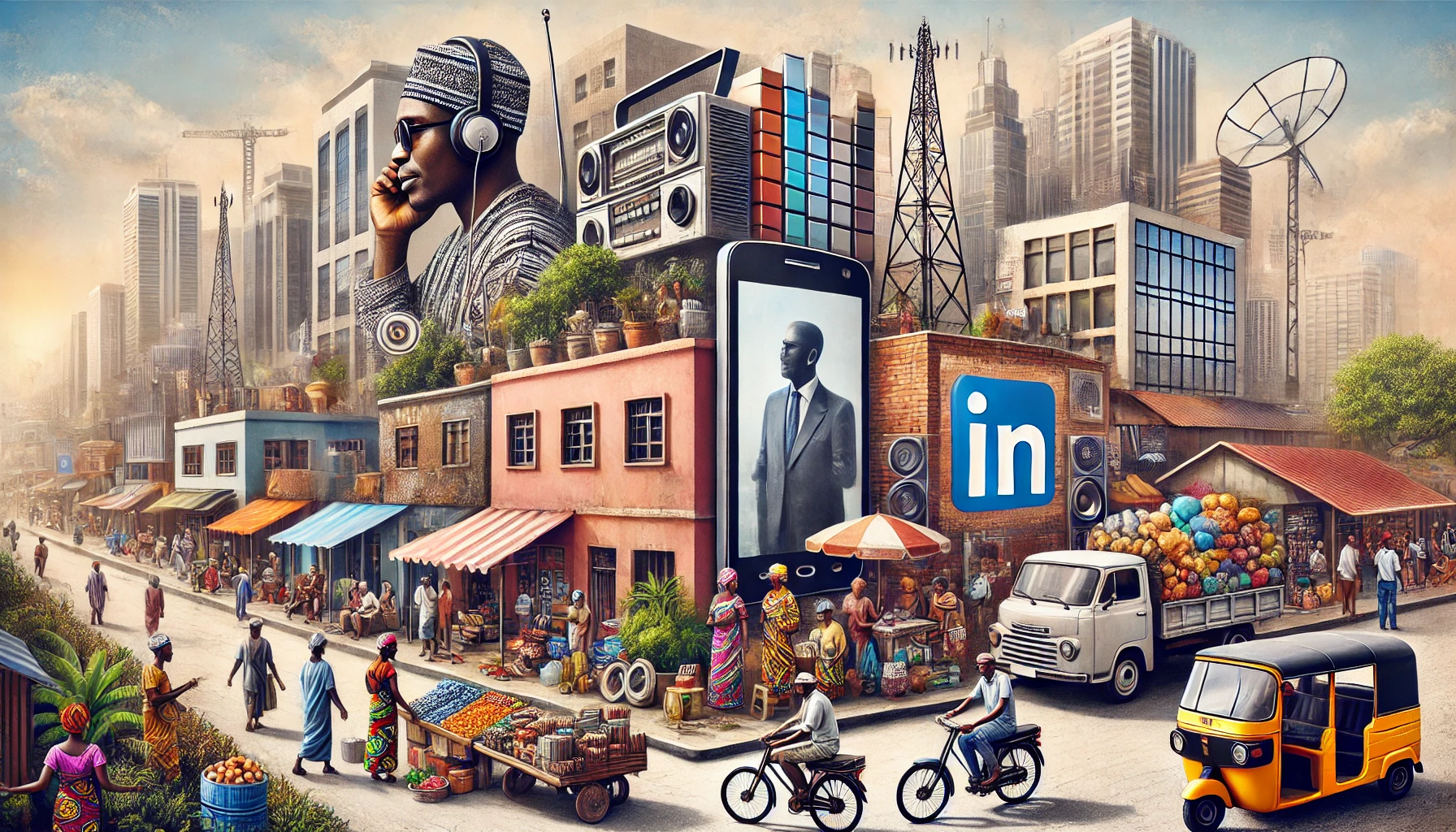
As we navigate through 2024, the marketing landscape in Africa is characterized by a dynamic interplay between rapidly advancing digital transformation and the enduring strength of traditional media. This unique environment presents a myriad of challenges and opportunities tailored to the continent’s diverse cultures, languages, and economic conditions. Here, we explore the leading marketing channels that are shaping the present and future of Africa’s market strategies.
Mobile Marketing: Dominance and Accessibility
Trends 2024: Africa’s digital infrastructure is predominantly mobile-first, leading to exceptionally high mobile penetration. Mobile marketing, mainly through SMS and mobile applications, ChatBox has become highly effective as most of the continent’s population accesses the internet via smartphones.
Statistics: An estimated 75% of Sub-Saharan Africa’s population now has mobile connectivity, facilitating an unprecedented reach for marketers targeting both urban and rural demographics.
Social Media: The Hub of Engagement
Trends 2024: Social media platforms like LinkedIn, Facebook, WhatsApp, and Instagram continue to see widespread utilization across Africa, with platforms like Twitter gaining substantial traction in North Africa. The strategic use of these platforms for direct marketing and customer engagement is becoming increasingly prevalent.
Statistics: The number of active social media users in Africa has surged to over 200 million as of 2024, a figure that is expected to grow as internet penetration deepens.
Radio: The Unwavering Channel
Trends 2024: Radio maintains its position as a critical communication medium, especially in less urbanized areas. It serves pivotal roles in community information dissemination, education, and advertising due to its extensive reach and affordability.
Statistics: Radio commands an impressive audience, reaching over 85% of the population across many African countries, thereby remaining one of the most powerful channels for mass marketing.
Television: Capturing Urban Audiences
Trends 2024: Television remains a preferred medium for reaching mass audiences in more urbanized areas. Despite the rise of digital mediums, television continues to wield significant influence in brand advertising.
Statistics: Approximately 70% of households in economically advanced African markets such as South Africa and Nigeria are reached by television, highlighting its continued relevance.
Out-of-Home (OOH) Advertising: Visibility in Congestion
Trends 2024: In major urban centers, OOH advertising, including billboards and transit advertisements, is highly visible due to prevalent traffic congestion. These platforms offer strategic visibility and are poised for growth.
Statistics: OOH advertising in major African cities is anticipated to grow by 5% by 2025, leveraging high-traffic environments to engage consumers effectively.
Regulatory Considerations
Advertising Standards: Many African countries have tightened their advertising regulations to protect consumers from misleading advertisements. South Africa, for example, has robust rules enforced by the Advertising Regulatory Board (ARB).
Data Protection Laws: Reflecting global trends towards data privacy, nations like South Africa, Kenya, and Nigeria have implemented stringent data protection laws, significantly influencing strategies in digital and mobile marketing.
Emerging Trends for 2025
E-commerce Integration: The integration of e-commerce with social media platforms is facilitating direct purchases through social commerce, revolutionizing how businesses engage with consumers. Instagram and Facebook Shops are becoming vital tools for SMEs across the continent.
Influencer Marketing: As the effectiveness of traditional advertising diminishes, influencer marketing is rising, with brands increasingly relying on local influencers to enhance credibility and precisely target demographic groups. Micro-influencers, particularly in niches like beauty, fashion, and Tech, are gaining prominence.
Localized Content: There is a growing focus on developing localized content that resonates with the continent’s diverse audiences culturally and linguistically, with more advertisements and content being produced in local languages such as Swahili, Hausa, and Yoruba.
Digital Transformation: Continued investments in digital infrastructure are expected to further enhance the effectiveness of digital advertising channels, including programmatic advertising. The expansion of 4G and the rollout of 5G in urban centers like Johannesburg and Nairobi are set to boost the capabilities of mobile marketing.
Conclusion
The marketing landscape in Africa is evolving with a fascinating blend of tradition and innovation. As digital transformation accelerates, the adaptation to and integration of new technologies with traditional media provide a rich canvas for marketers. The future holds promising opportunities for those ready to engage with Africa’s vibrant and diverse markets through these dynamic channels.