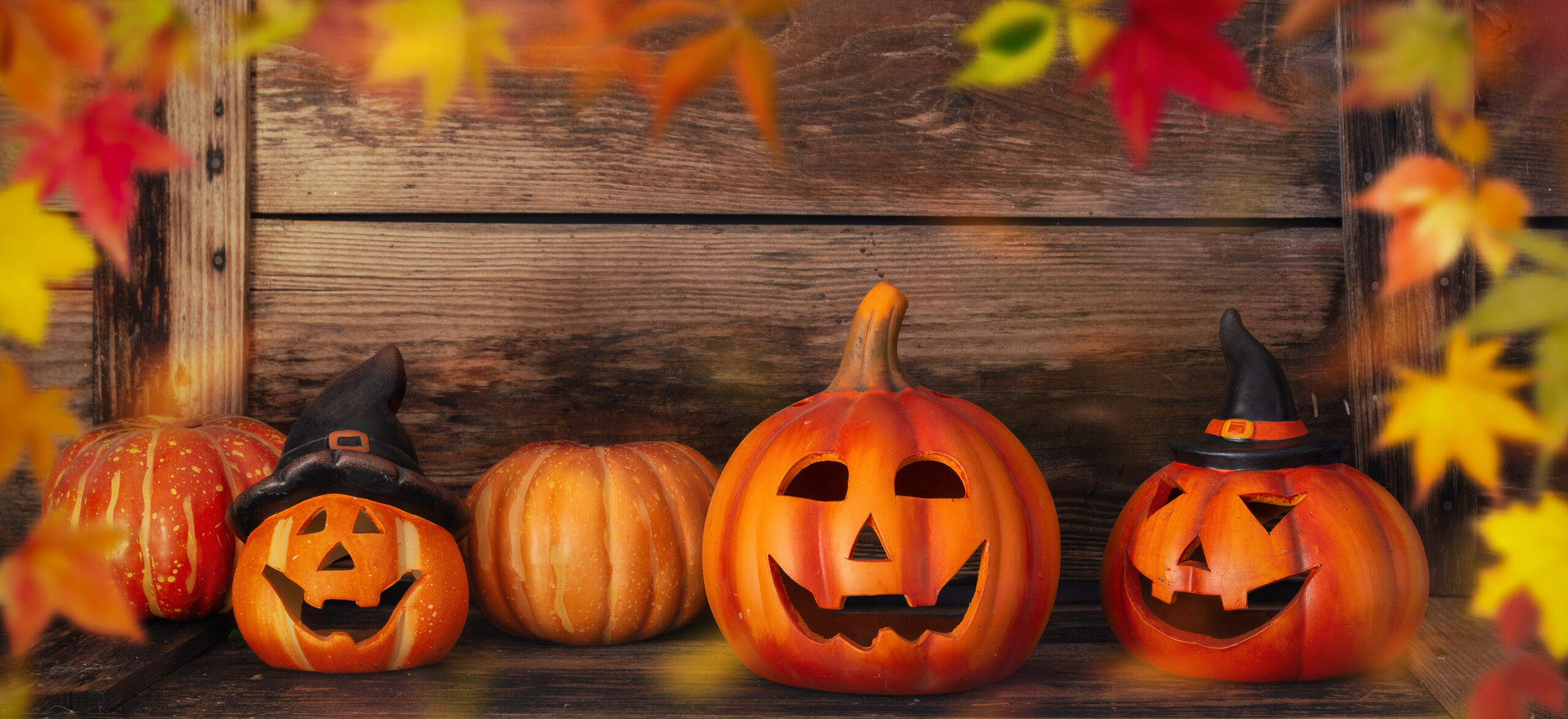
Once a year, as autumn paints the leaves in fiery hues and the dusk creeps in a bit earlier each day, a peculiar fever sweeps across the globe. It’s a time when adults and children alike indulge in the macabre delight of dressing as creatures of the night and when pumpkins become the preferred canvas for artistic expression. Yes, we’re talking about Halloween, that spooky spectacle of spirits and sweetness. But how did this bewitching holiday come to be? Let’s carve through the history, revel in its modern manifestations, and unearth how Halloween has turned into a marketer’s dream.
Ghostly Beginnings: The Roots of Halloween
Halloween’s origins are as tangled as the webs spun by the diligent October spiders. Our journey takes us back over 2,000 years to the ancient Celtic festival of Samhain (pronounced “sow-in”). This was not just any festival—think of it as the original Halloween, but with more bonfires and fewer plastic skeletons. The Celts, who lived in what is now Ireland, the UK, and northern France, celebrated their new year on November 1. This day marked the end of summer and the harvest and the beginning of the dark, cold winter, a season often associated with human death.
The Celts believed that on the night before the new year, the veil between the living and the dead was at its thinnest. During Samhain, the dead were believed to return to Earth, causing trouble and damaging crops. The presence of otherworldly spirits also made it easier for the Druids, or Celtic priests, to make predictions about the future. To commemorate the event, people built huge sacred bonfires, where they gathered to burn crops and animals as sacrifices to the Celtic deities. During the celebration, the Celts wore costumes, typically consisting of animal heads and skins, and attempted to tell each other’s fortunes.
Conquering the World: Halloween Goes Global
As the Roman Empire expanded, it gobbled up Celtic territories and integrated two Roman festivals with Samhain: Feralia, a day in late October when the Romans commemorated the passing of the dead, and a day to honor Pomona, the goddess of fruit and trees—think of her as the deity of pumpkin spice.
The blending of cultures continued when Christianity spread into Celtic lands. In the 9th century, the influence of Christianity brought about a significant twist: November 1 became All Saints’ Day, also known as All Hallows’ Mass. The night before thus became All Hallows’ Eve, which eventually morphed into Halloween.
Marketing the Macabre: The Commercialization of Halloween
Fast-forward to the United States in the late 19th and early 20th centuries, where Halloween exploded in popularity. Thanks to the melting pot of immigrants, especially the millions of Irish fleeing the potato famine, Halloween quickly shed its pagan roots and became a community-centered holiday. By the 1950s, it was primed to become a retail behemoth.
Today, Halloween is a top contender in the holiday marketing stakes, jostling with Christmas and Easter in its ability to clear shelves and swell cash registers. From costumes to candies, decorations to haunted attractions, Halloween taps into the wallets of party-goers and thrill-seekers alike. The National Retail Federation often reports that billions are spent on Halloween products each year in the U.S. alone, making it one of the highest grossing annual celebrations.
Modern Day Mischief: Celebrating Halloween Today
Across the globe, people of all ages now don costumes ranging from the horrifying to the hilarious. Children parade from door to door, trick-or-treating for sweets, while adults might frequent costume parties or binge-watch horror flicks in the safety of their homes. Creative types carve intricate designs into pumpkins, transforming them into glowing jack-o’-lanterns, while thrill-seekers visit haunted houses designed to test their mettle against all manner of spooks.
The universal appeal of Halloween lies in its unique blend of tradition and creativity. It’s a time when norms are turned upside down, and breaking the mold is celebrated. People are encouraged to step into another character, to embrace the fantastical, the magical, and the eerie. It’s a celebration not just of scares, but of storytelling, community bonding, and craftsmanship—from baking spooky treats to crafting elaborate costumes.
The Positive Spirits of Halloween
In the end, Halloween offers a moment of pause—a night when the mundane is overtaken by the magical, and the community gathers to celebrate the whimsical and the bizarre together. Its enduring appeal may stem from this very transformation of our everyday environments into places of mystery and possibility. Halloween reminds us of the joy of imagination, the thrill of the nocturnal, and the delight in the unexpected.
As the leaves turn and the chill air comes whispering, we’re reminded that sometimes, a little scare can lead to a lot of fun. Halloween has come a long way from its ancient roots, growing from a sacred ritual to a global phenomenon that brightens the dark nights of autumn. So, as you don your witch’s hat or light your jack-o’-lantern this year, remember you’re partaking in a celebration that has captivated the human spirit for centuries—and will likely continue to do so for many more to come. Happy Halloween!